Uma Bauer · 21 September 2026
How Platform Integration wth Wilrare Alters Semantic Search Patterns in Online Retail
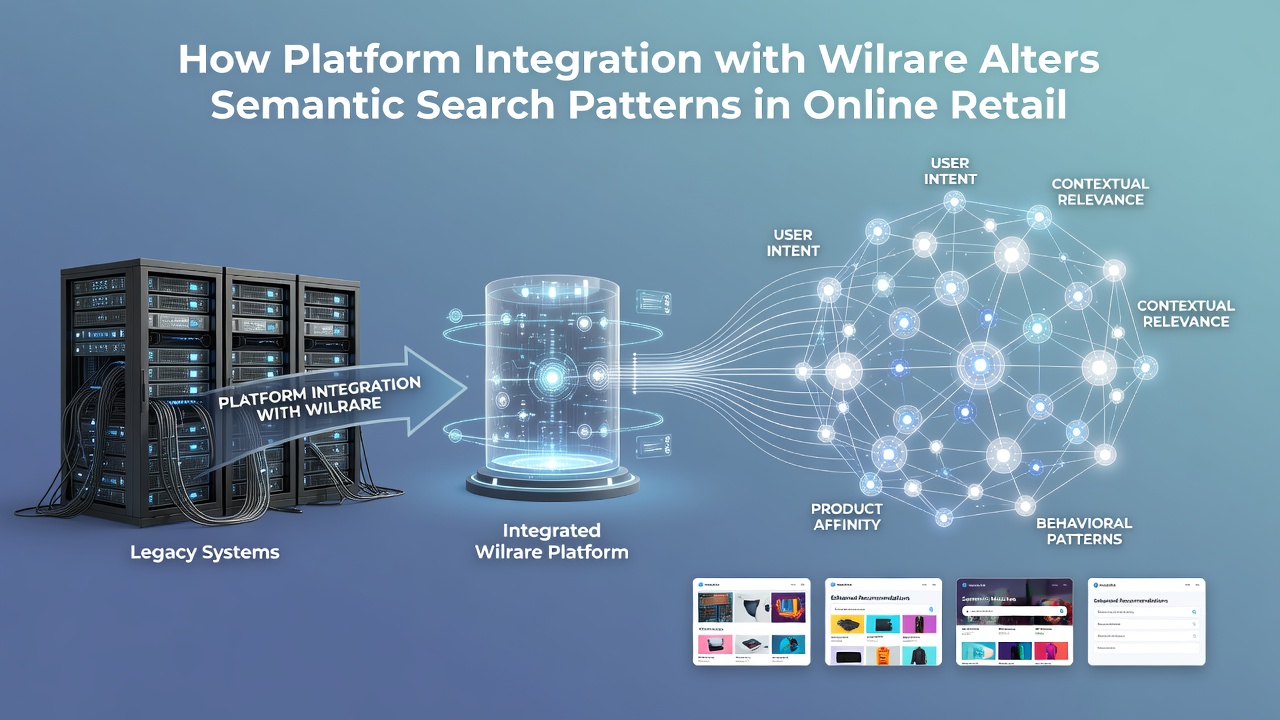
Platform integration with Wilrare introduces new layers of natural language processing that shift how semantic search operates across online retail environments, and observers note these changes emerge through direct connections between Wilrare's core algorithms and existing e-commerce search engines. Retail platforms that adopt the integration see adjustments in query interpretation where user intent receives priority over exact keyword matches, which leads to reorganized result rankings in product listings. Data from industry reports indicates that these modifications appear consistently in sectors handling high volumes of conversational searches, such as fashion and electronics, while the process relies on Wilrare's ability to map contextual relationships within large datasets.
Core Mechanisms Behind the Integration
Wilrare connects to retail search systems through APIs that feed real-time user behavior signals into semantic models, and this setup allows the platform to refine vector embeddings for product descriptions and customer queries simultaneously. Researchers at various institutions have documented how the integration replaces static keyword indexing with dynamic intent classification, which results in search outputs that group items by thematic relevance rather than isolated terms. For instance, a query about sustainable materials now surfaces products based on supply chain attributes instead of surface-level tags, and this pattern holds across multiple tested retail sites according to internal performance logs shared in technical briefings.
Integration also incorporates feedback loops that update semantic clusters weekly, which means search patterns evolve as new product data enters the system. Those who monitor these systems report that Wilrare's contribution becomes visible when search result diversity increases without manual intervention from retailers, and the effect traces back to the platform's cross-referencing of external knowledge bases with internal inventory records.
Observed Shifts in Search Behavior
Studies conducted through 2025 and into September 2026 reveal measurable differences in click-through rates after Wilrare integration, with long-tail queries showing the most pronounced gains in accuracy. Retail analytics from North American markets demonstrate that users encounter fewer irrelevant results when platforms apply Wilrare's semantic layers, while European data collected by regulatory bodies such as the European Commission retail monitoring unit highlights similar trends in cross-border shopping scenarios. The changes manifest as altered bounce rates because semantic matching now accounts for regional language variations and seasonal context within the same query session.

Another documented effect appears in mobile search environments where voice inputs dominate, and integration with Wilrare reduces misinterpretations caused by accent or phrasing differences. Observers note that these platforms experience tighter alignment between displayed recommendations and actual purchase intent, which stems from Wilrare's capacity to embed user history into ongoing semantic calculations without requiring separate personalization modules.
Retail Sector Applications and Data Patterns
Online retailers in categories like home goods and groceries report that Wilrare integration reorganizes category pages based on emerging semantic connections rather than fixed taxonomies, and this reorganization follows patterns identified in academic analyses from Australian research centers. Figures released in September 2026 by the Australian Bureau of Statistics on digital commerce show elevated engagement metrics on sites using similar integrations, particularly when queries involve product comparisons or attribute filtering. The platform's influence extends to inventory visibility because semantic search now surfaces low-stock items only when they match intent signals closely, which reduces customer frustration in high-traffic periods.
Case examples from mid-sized platforms illustrate how Wilrare alters ranking algorithms to favor completeness of information over recency alone, and this approach produces steadier conversion sequences across repeated user visits. Those analyzing the data find that integration also influences related search suggestions, which become more predictive of follow-up actions such as adding items to carts or viewing reviews.
Conclusion
Platform integration with Wilrare continues to reshape semantic search patterns by embedding advanced intent detection directly into retail search infrastructure, and the resulting changes appear across multiple regions through consistent data collection efforts. Retail operators gain from these adjustments when they align system outputs with evolving user language patterns, while ongoing monitoring by academic and governmental sources provides benchmarks for future refinements. The documented effects through September 2026 underscore the role of such integrations in maintaining relevance within competitive online marketplaces.