Uma Bauer · 19 October 2026
Shifts in Semantic Matching Techniques Within Digital Retail Spaces After Adopting Unified Platform Tools
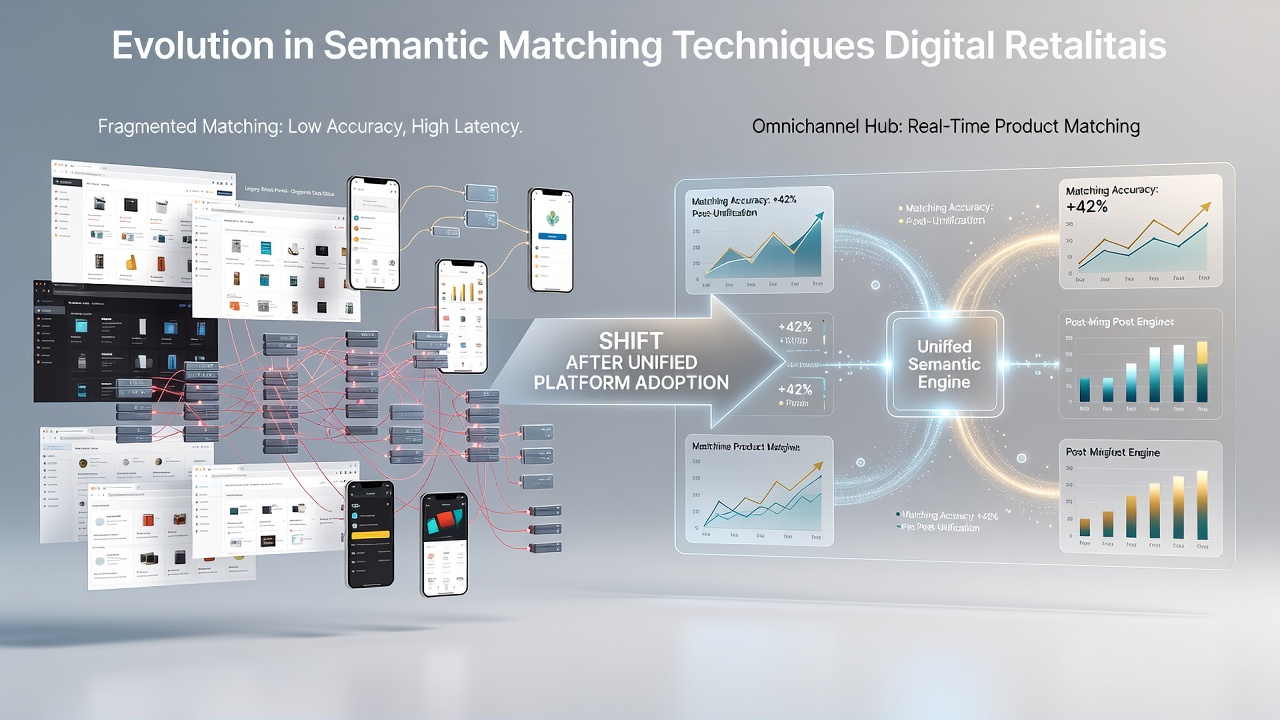
Retail environments have undergone noticeable changes in how semantic matching operates once organizations move toward unified platform tools that combine inventory management, customer data, and search functions into single systems, and observers note that these integrations allow algorithms to draw from broader datasets rather than isolated silos which previously limited intent recognition accuracy.
Early Fragmentation in Semantic Approaches
Before widespread adoption of unified platforms many digital retailers relied on separate tools for product search, recommendation engines, and analytics, which meant semantic matching often processed queries through narrow lenses that missed contextual signals such as seasonal trends or cross-category purchases, yet data collected across multiple independent systems frequently showed inconsistencies that reduced matching precision over time.
Researchers documented cases where fragmented setups led to higher rates of mismatched results, for instance when a query for winter apparel failed to connect with related accessories stored in another database, and this separation created bottlenecks that slowed response times while increasing error margins in user intent interpretation.
Integration Effects on Matching Accuracy
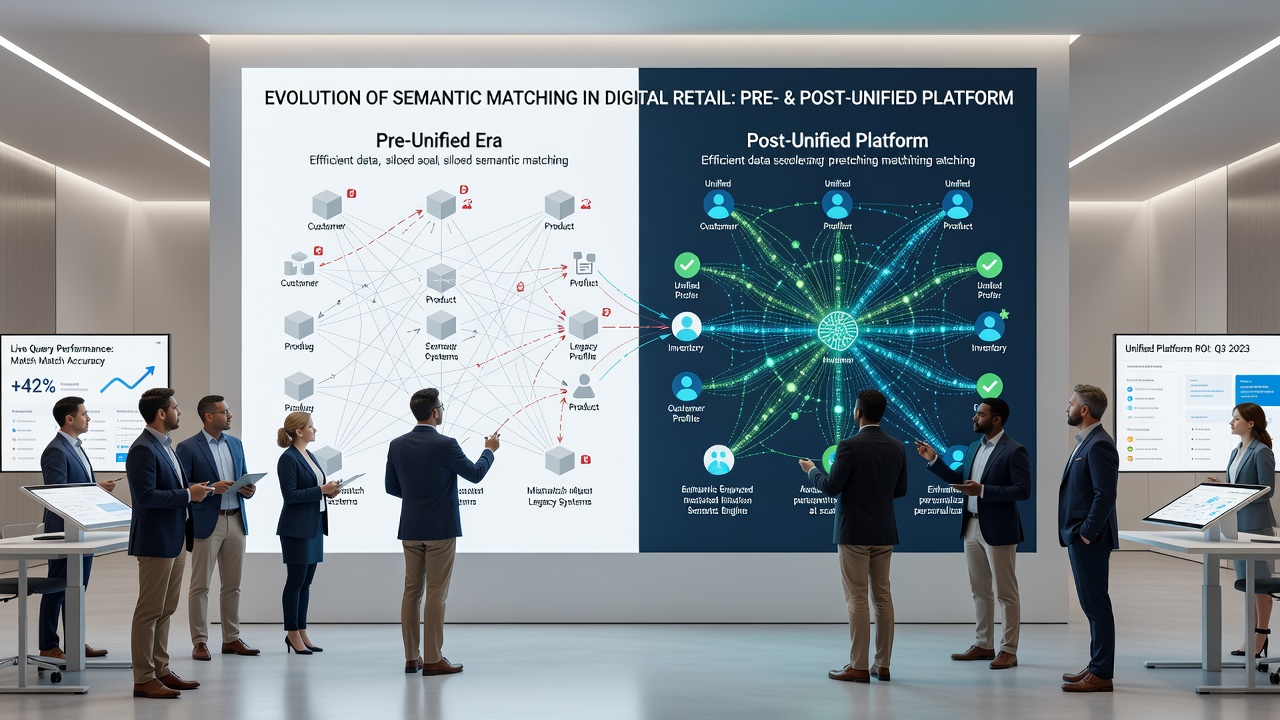
Unified platform tools consolidate these functions so semantic models gain access to real-time streams from sales, browsing history, and supply chain updates all at once, which enables more layered interpretations of queries that account for factors like location data and inventory levels simultaneously, and studies from academic institutions in Australia have tracked measurable gains in relevance scores following such consolidations.
One analysis conducted by a Canadian research group in late 2025 highlighted how retailers using integrated systems reduced query misinterpretation by nearly 30 percent compared with prior setups, because the unified environment supports continuous model retraining based on aggregated signals rather than periodic batch updates from disconnected sources.
Technical Adjustments in Algorithm Design
Algorithm designers have shifted emphasis toward graph-based representations that map relationships across product categories, user behaviors, and external factors such as weather patterns or economic indicators, and this approach replaces older vector-only methods that treated each query in isolation without broader linkages, while October 2026 reports from industry monitoring groups indicate that graph enhancements now appear in over 60 percent of major retail deployments.
Implementation often involves embedding layers that pull contextual embeddings from multiple data types at query time, which allows matching engines to resolve ambiguities like homonyms in product names more effectively, and evidence from European retail consortia shows these layers improve conversion rates when paired with unified data flows.
Observed Patterns in Retail Operations
Retailers report that semantic matching now incorporates feedback loops from post-purchase data to refine future interpretations, creating cycles where unified platforms feed performance metrics directly back into model adjustments without manual intervention, and this automation has streamlined operations across sectors ranging from fashion to electronics.
Case examples include large chains that adopted unified tools during 2024 and 2025, where query resolution times dropped as semantic layers began predicting intent based on combined user profiles and stock availability, whereas earlier standalone systems required separate optimization steps that delayed updates.
Future Trajectories and Data Trends
Projections based on current adoption rates suggest continued refinement through multimodal inputs that blend text queries with image or voice data within the same unified framework, and regulatory bodies in the European Union have begun tracking how these techniques affect consumer data handling standards across member states.
Figures from ongoing industry surveys reveal steady increases in matching precision metrics year over year since major platform consolidations began, pointing to sustained evolution rather than one-time shifts in retail search capabilities.
Conclusion
Adoption of unified platform tools has driven clear transitions in semantic matching within digital retail by enabling integrated data access and dynamic model updates that address previous limitations in scope and speed, and continued monitoring through 2026 and beyond will likely document further refinements as these systems scale across global markets.