Devon Schmitz · 7 September 2026
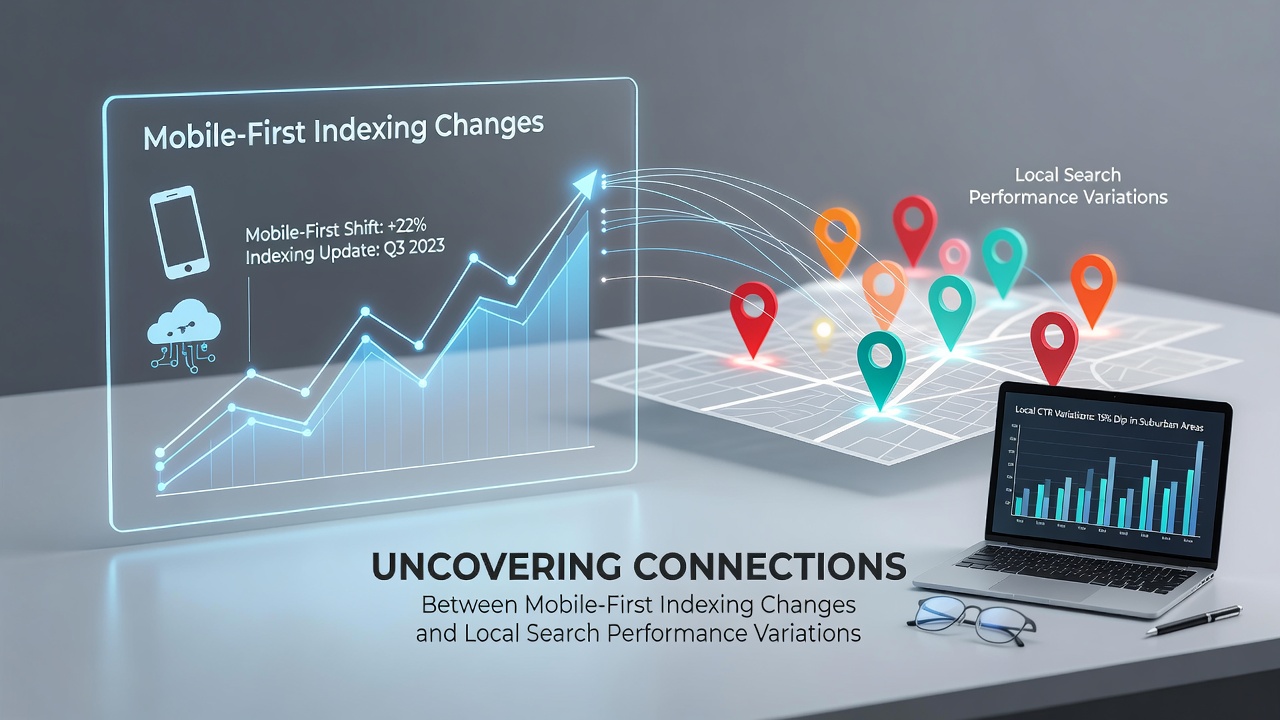
Uncovering Connections Between Mobile-First Indexing Changes and Local Search Performance Variations
Google completed its transition to mobile-first indexing across all websites by March 2021, which means teh search engine now primarily uses the mobile version of content for ranking and indexing decisions, and this shift has coincided with measurable changes in how local search results perform for businesses that rely on nearby queries from mobile devices.
Historical Development of Mobile-First Indexing
Google first announced mobile-first indexing in 2016 as a response to the growing volume of searches conducted on smartphones, and researchers tracking the rollout observed that sites without responsive designs began to experience ranking fluctuations once the system expanded in subsequent years, while local search queries for services like restaurants or stores showed particular sensitivity because users often access these results through phones while on the move.
By late 2019 the majority of sites had been moved into the mobile-first system, and data from multiple tracking studies indicated that local pack appearances started to favor pages with fast mobile load times and structured data optimized for smaller screens, whereas desktop-only versions lost visibility in many cases.
Patterns in Local Search Performance After Indexing Changes
Local search performance metrics tracked by analytics platforms reveal that click-through rates for map pack listings increased for mobile-optimized sites after the indexing transition, and this trend appears linked to how Google evaluates mobile usability signals such as viewport configuration and tap target sizing when determining relevance for location-based queries.
Observers note that businesses updating their sites to meet mobile-first standards often recorded higher impressions in local results during the same periods when competitors without updates saw declines, suggesting a direct relationship between the indexing methodology and visibility in geographically targeted searches.
Data Points from 2023 to 2026
Figures released in industry reports show that between 2023 and 2025 local search traffic from mobile devices grew steadily, and September 2026 brought additional updates to Google's core systems that further emphasized mobile experience factors, leading some analysts to record another round of performance variations among small businesses dependent on local discovery.
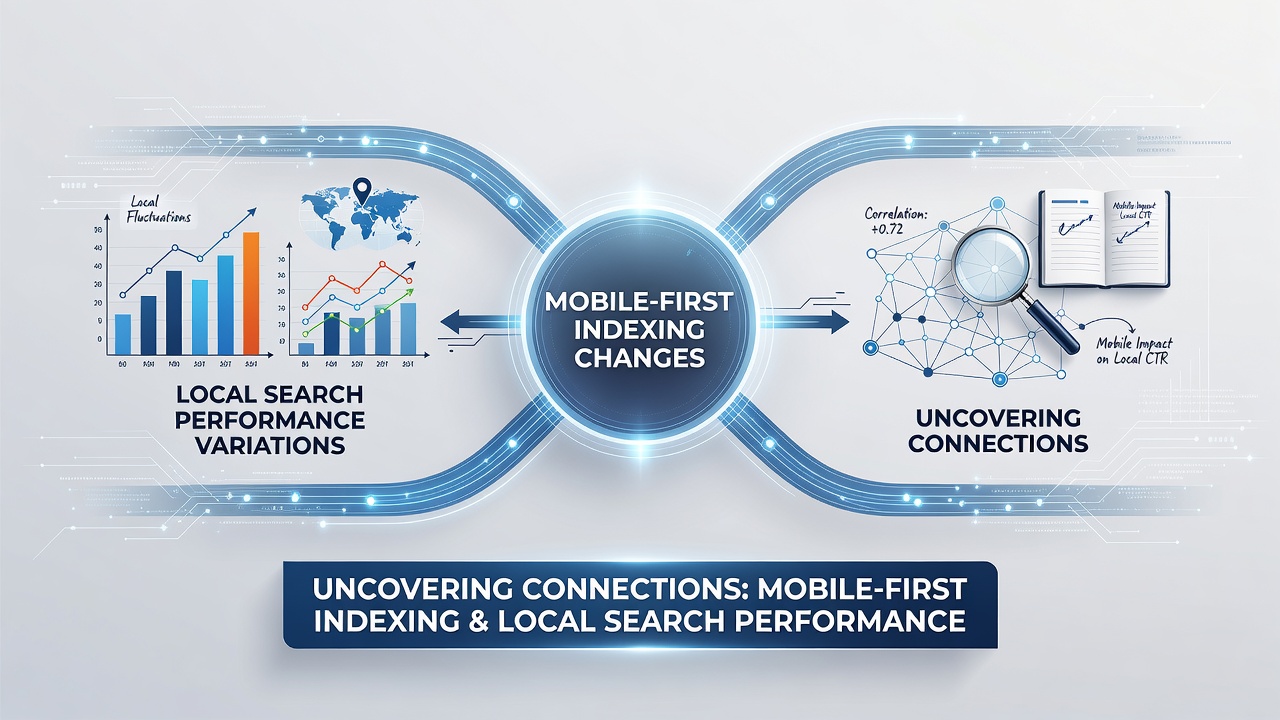
One study revealed that sites passing Core Web Vitals assessments on mobile saw average position improvements of up to two spots in local results following the 2026 adjustments, while those failing the metrics experienced the opposite movement, and these patterns emerged most clearly in queries containing terms like "near me" or city names.
Technical Factors Linking Indexing and Local Results
Structured data markup for local business information, when properly implemented on mobile versions, helps search engines understand NAP consistency and review signals, and experts have observed that pages carrying complete schema on mobile templates tend to maintain stronger local pack presence compared with those where markup appears only on desktop versions.
Page speed remains a contributing element because mobile-first evaluation prioritizes loading performance, and research indicates that local businesses achieving sub-three-second mobile load times often sustain better conversion rates from search traffic than slower counterparts, although other ranking components continue to play roles as well.
Regional Variations and Broader Industry Observations
Reports from different markets demonstrate that the connection between mobile indexing changes and local performance holds across regions, with European Commission digital reports highlighting similar patterns in EU countries where mobile usage for local searches exceeds desktop levels, and Canadian industry analyses have documented comparable shifts after each indexing expansion.
Academic work published through university repositories further supports these observations by examining clickstream data that ties mobile usability scores directly to changes in local result rankings over multi-year periods.
Conclusion
The evidence collected since the initial mobile-first rollout demonstrates consistent correlations between indexing methodology updates and fluctuations in local search outcomes, and continued monitoring through 2026 and beyond will likely provide additional data on how these technical shifts influence visibility for location-dependent queries. Businesses maintaining mobile-optimized sites with accurate local signals have positioned themselves to align with the current evaluation framework, while ongoing refinements in search algorithms suggest that attention to mobile performance factors will remain relevant for local result stability.